
Awesome
by Rizzy on 2/13/24Fort Mose State Park - St. AugustineFrom the ease of parking and shuttle, the venue and vendors, the spacious and intimate amphitheater to a great performance by Common and his accompanying band- awesome show.
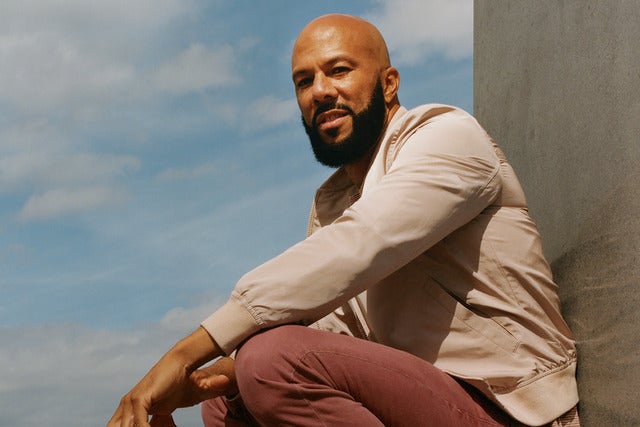
From the ease of parking and shuttle, the venue and vendors, the spacious and intimate amphitheater to a great performance by Common and his accompanying band- awesome show.
This was my first State Park concert and I absolutely loved it! The breeze in the air was perfect. The unity was matchless. Common set the tempo and maintained it. He was personable, authentic, and loved on the crowd unapologetically! He promoted unity and spoke life. I hope he finds his way to more cities in the coming weeks.
Such a great concert! Common sounds the same! He’s incredible!
The event was great first time there won’t be my last
Love everything Common does he is an all around amazing artist be it musically or theatrically. It was a great performance amazing vibe.
This was an EPIC night! Ambiance, Intimate setting, great food and drinks. Loved the location (Fort Mose: 1st time here) A Learning experience as well. The museum is amazing!! From the staff, bartenders (Gloria), security, Shuttle Drivers (Alicia), to the actual performance, everything was seamless and well organized. I'm sure my experience was just a tad bet elevated than others😁 due to ME being the chosen one to grace the stage with the Icon COMMON himself! 🤩 This was the highlight of my night. I was his whole hype woman and it was so fun to 2 step, dancing and waving the crowd on side by side with this show stopper. Well worth the drive and purchase.
The venue is quite nice. Beautiful setting for the event. Common was very excellent he gave me my money's worth. I loved everything about his show. I'm glad I got to see him. I'm a fan for life now!!! 💕
To be fair, the show was cancelled. Something having to do with travel issues. This will not deter me from purchasing tickets for his concerts in the future. Still very much looking forward to seeing him live.
No show said something about transportation aka tickets sales low 😂
This was my first Common show and I was not disappointed as he is truly multi-talented! I’ve always thought Common was a talented artist and having the opportunity to see him live just confirmed my thoughts. I scored 4th row tickets for myself which was great. The venue was excellent as I prefer smaller venues as it’s more intimate and a Phan like myself can appreciate that an artist like Common can see most of his fans and would appreciate their support. Xoxo, H. Phan